
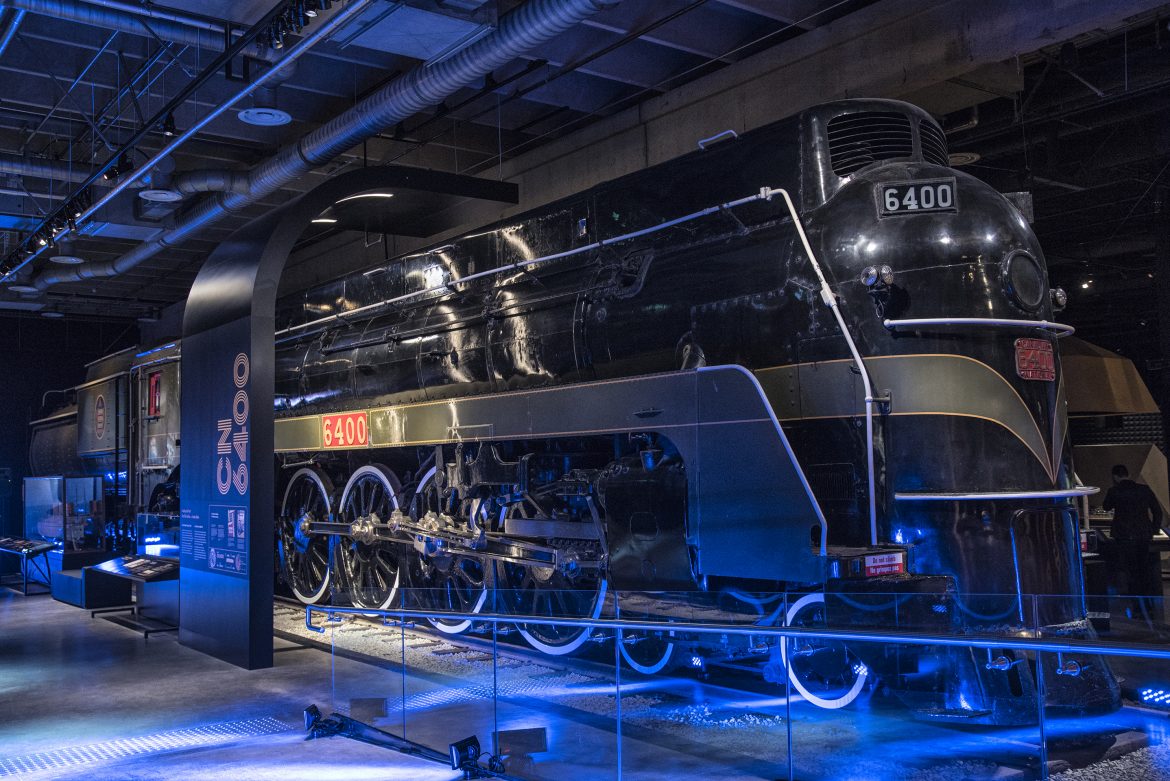
Technology is the basic manipulation of everyday tools that have made our lives a lot easier over time. Different cultures and societies have made changes to tools to make them suit their lifestyles, from simple fishing tools to well-working machinery.
Technology from the past
Before the migration of settlers from Europe and other lands, there were the Native Canadians. Also known as Aboriginal Canadians, these people are generally comprised of tribes called the Inuits, The First Nations, and the Metis. With the different climatic regions in the country, these tribes learned to adopt technological tools for their different climatic zones.
They developed various canoes dependent on the water bodies to be traveled; rivers and lakes have different water speeds and, therefore, the need for vessels that work for each. Some of these transportation vessels include the cedar canoes and birchbark.
The Native Canadians also had a number of shelters, still dependent on the weather conditions. They put up structures called ‘tipis’ that look like modern-day tents. Tipis also had some cultural background to them since they were designed in a way the tip was dark and represented the sky, and the bottom had a dark band that represented the earth.
The people in the colder regions built igloos. In addition to those, they had structures called ‘longhouses,’ which were mostly used for community meetings.
Other areas that required growth and sophistication of technology include the acquiring of resources for food, clothing, fishing methods, and hunting. As a result, different communities engaged in trade for the exchange of goods. Sometimes, there would also be raids, and that caused conflict between parties; there are always pros and cons to situations.
Technology during the colonial period
Now, during the 15th and the 16th centuries, the Europeans began to feel adventurous. The British, the French, and the Vikings moved in on North America. Their technological areas had also undergone changes and improvements. They were thinking forward in terms of agriculture, manufacturing, and building. They needed to make some implementations for the tools to work better in their new environment, especially culture-wise.
A lot of the work projects in Europe were often headed by someone of high ranking in terms of the social hierarchy. In Northern America, they were led by the most skilled individual.
Agriculture
Technology in the agricultural field is majorly affected by land tenure systems, the nature of the soil, pests, prevailing conditions of the weather, and water.
The French and the English had different approaches in terms of agriculture. Newfoundland, which is one of the first English settlements came to be as a result of the conflicts for Grand Banks cod. The French didn’t have much contact with the land because they chose to salt their catch of fish immediately after reeling them in. The English were not so fortunate. They had to put up platforms known as flakes for drying the fish since they had no access to cheap salt.
Industry
The influence of the new settlers saw the development of new machinery; manual work was starting to prove tiring, and there was more to be done. A Frenchman named Jean de Biencourt de Poutrincourt built the first water-powered grist mill. This led to the spread of sawmills, grist mills and flour mills all over the land.
Technology in Modern Day Canada
After the Second World War, Canada emerged as a middle power. In terms of energy, there was an extraction of uranium from the pitchblende ore during the war. Afterward, there was the establishment of hydroelectric and thermoelectric stations to supplement already existing power sources in major cities.
For transportation purposes, there have been several major highways, such as the Trans-Canada Highway, and underground railway services, like the Toronto subway line, that came to existence.
Canada also has successes to boast in the field of aerospace travel, such as the Canadarm2 of the International Space Station.