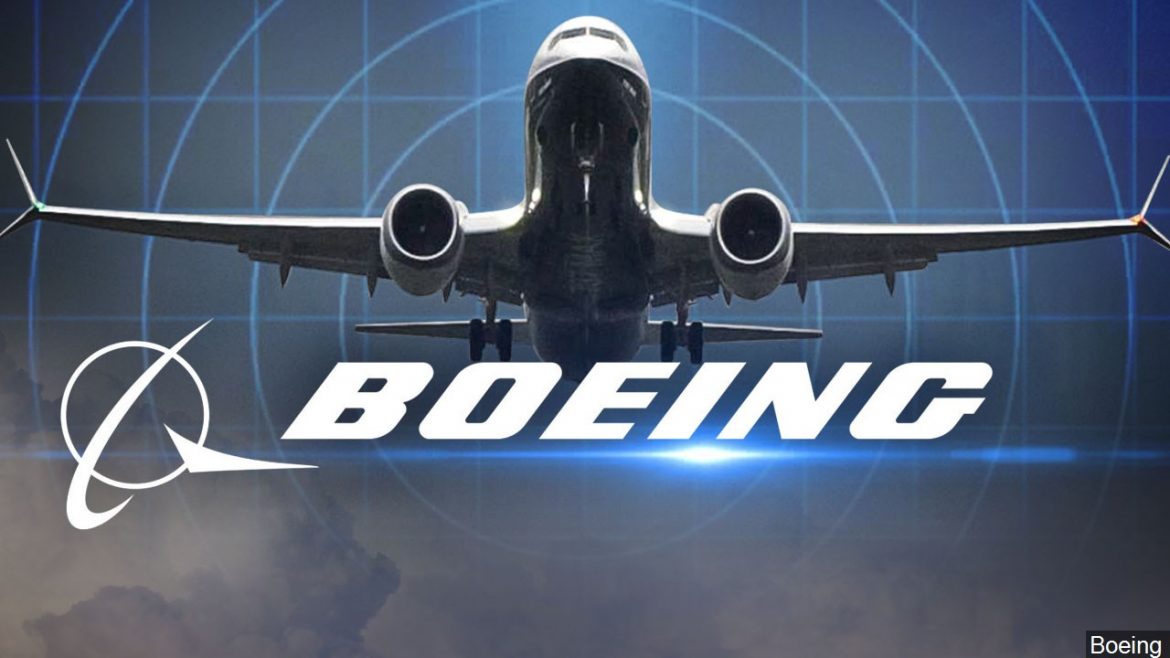
Canada’s regulators will this week test the new 737 Max – in what is being considered a positive step for its manufacturer Boeing. All eyes are on the regulators, considering the two recent crashes, that shook the aerospace regulatory sector.
The United States Federal Aviation started recertification test flights mid this year. However, Canadian authorities say that its pilots visited Boeing’s station in Seattle for its own regulatory flight tests.
The tests being conducted by Canada appear unusual since modern aviation agreed that countries accept inspections from other regulators as valid – something referred to as reciprocity. The policy is designed to save time and money for plane manufacturers and aviation companies.
The Vice President of analysis at Teal Group, Richard Aboulafia said that reciprocity is supposed to be reciprocity and nothing else.
“I am worried that some countries are not abiding by the policy of reciprocity, even those that seem to abide don’t do it all the time. We don’t know how long this will continue” said Richard.
The 737 Max was grounded across the world from March 2019, after two consecutive crashes that resulted in the death of 346 people. A similar anti-stall system was blamed for the two accidents.
The regulator (FAA) failed to take action when the first crash occurred. Boeing was later forced to bow to the pressure to ground the 737 Max flight after a worldwide outcry.
A lot of investigations have been done with regard to the two accidents while others are still ongoing. Boeing has admitted that there some things that needed to be looked at but refused to openly blame its anti-stall system as the major cause.
Transport Canada together with the European Union Aviation Agency have said that they will conduct their own separate investigations and tests.
Boeing has been trying to work together with various international regulators after being grounded but its efforts have been thwarted by the coronavirus pandemic.
FAA has demanded Boeing to rectify its software that triggered the anti-stall processes of the flights that crashed.
The regulator has also called all other operators to review their pilot training programs. These are some of the efforts being instituted by the aerospace regulator to prevent further crashes.
In June, Transport Canada was reviewing whether Boeing was required to also replace the Max flight’s manual to be included with instructions on how to deactivate a wrongly enabled warning system at the cockpit.
“Transport Canada is always concerned about the safety of passengers on the planes. We want to ensure that flight restrictions are adhered to by all manufacturers as well as the FAA. The recent happening has prompted us to take certain measures that will guarantees safety to our passengers” said the agency in a statement
Regulators in Europe have also said that they have several demands with regard to the anti-stall system. For instance, they want the system to be corrected to make sure that one faulty sensor won’t automatically cause the plane to nosedive.
The European Union Aviation Safety Agency (EASA) is still planning to come up with a testing schedule for its flights.
The Chief Executive Officer of Boeing, David Calhoun alluded that the Max flight would come back to service towards the end of the year. There are however several concerns from both the regulator and the public as to whether Boeing has fulfilled all the demands about its system.
Transport Canada in particular, seems to be acting cautiously with its flight operations. It says that it will only allow the Max 737 flight to operate after conducting thorough checks.
The COVID-19 pandemic has complicated matters, with few countries willing to participate in joint testing and operations with Boeing technical experts.