
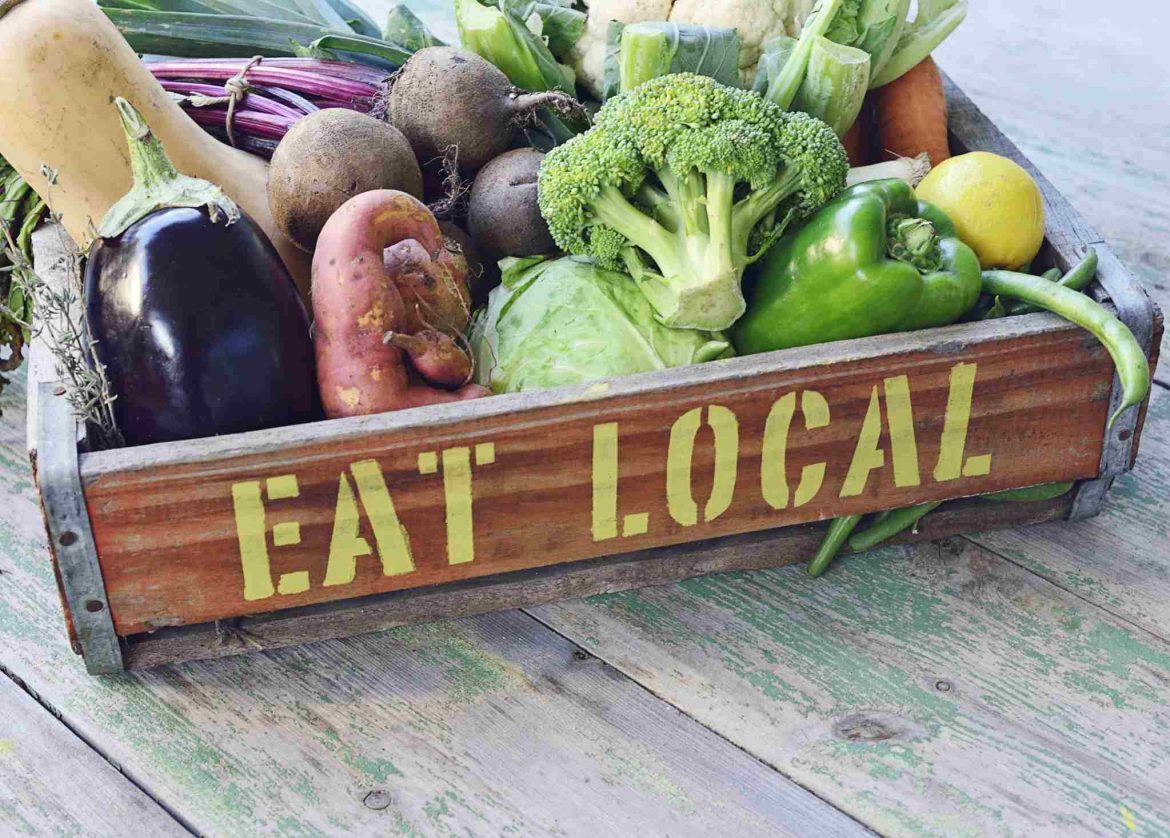
During previous celebrations of Canada’s National Organic Week, the country was put to shame by a campaigns that completely ignored organic certification. The Canadian Organic Label fiasco of a few years ago started off on the wrong foot with being denied a hearing at the Ministry of Agriculture in Ottawa, but things were eventually smoothed out. This year’s Organic Week went a lot better thanks to an announcement made by the Agriculture and Agri-Food Canada committees.
In order to get more Canadian consumers interested in locally grown organic products, Agri-Food Canada has resolved to invest more $640,000 in this burgeoning segment of the agricultural economy. The goal is to focus on Canadian farmers who are able to earn organic labels for their produce.
The Current Work of the Canadian Organic Growers (COG) Association
Demand for overall organic produce has increased by more than 2.5% each year since 2016, but this demand has been consistently met with imports. The only exception is organic milk and dairy products, which Canada is able to produce in sufficient quantities for export to major markets such as Asia.
COG leaders strongly believe that local consumers will certainly buy Canadian products as long as they can find them, and herein lies the problem. The reason Canadians buy more organic imports is because they are readily available at their local supermarkets and grocery retail stores. The problem is in the national supply chain, which happens to be inadequate to deliver produce straight from the fields to the stores.
As the situation stands, organic farmers in Canada are more likely to prepare their produce for export because merchants have an efficient supply chain in place that runs from here to Europe and Asia. At the same time, grocers and retailers find it easier to stock their shelves with imported products from Mexico, Central America, and the United States.
COG has requested support from the Ministry of Agriculture so that national supply chain barriers can be lifted for organic produce. Similar to the situation in other countries, the traditional supply chain for mass farming produce is robust, but this is not the best option for organic farmers. Mass refrigerated storage facilities where tomatoes can ripen, for example, are not meant for organic tomatoes grown in special greenhouses.
The Organic Produce Opportunity in Canada
Since 2012, sales of products bearing the Canadian Organic Label have nearly doubled, and they currently generate $6.38 billion on an annual basis. As previously mentioned, most of these sales represent imported meat, fruits, vegetables, poultry, grain, and even beer.
With more than 5,000 organic producers duly registered in Canada, the stage is set for bringing more locally grown products to national consumers. Blueberries, tomatoes, and spinach are examples of products that can be organically grown in the country, and they do not necessarily need to enter the traditional supply chain; what COG leaders envision is the creation of new farm-to-store and farm-to-table networks that bypass the established warehouses and refrigerated storage facilities. The freshness that Canadian consumers expect from their organic products can certainly be achieved with the right coordination within the agricultural sector.