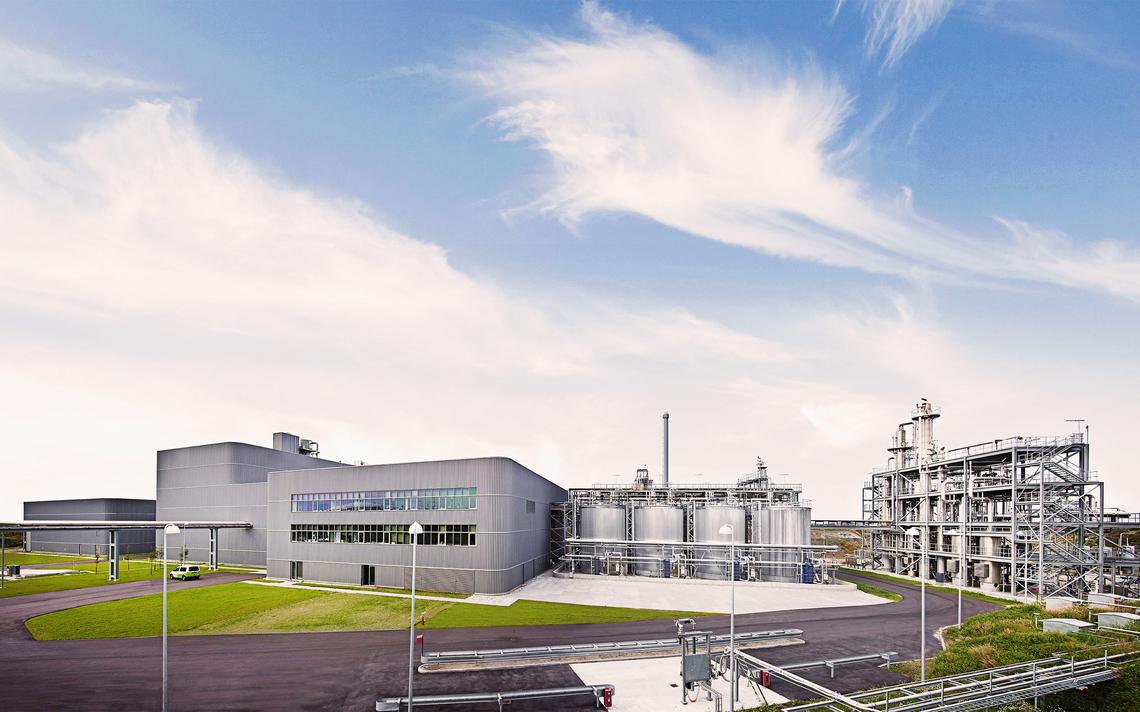
A cellulosic biofuel plant will be built in Quebec that will burn non-compostable and non-recyclable waste, turning it into a clean fuel. The fuel would replace fossil fuels. Both the governments of Canada and Quebec feel investing in green infrastructure will both protect the environment and create jobs.
Officials Involved
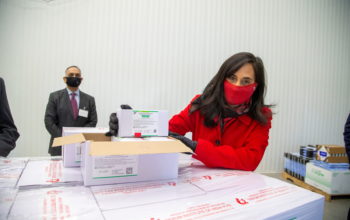
Minister of Energy and Natural Resources Jonatan Julien, Minister of Economy and Innovation Pierre Fitzgibbon, Leader of the Government in the House of Commons and Quebec Lieutenant the Honorable Pablo Rodriguez, Minister of Economic Development and Official Languages the Honorable Mélanie Joly, Minister of Infrastructure and Communities the Honorable Catherine McKenna and Quebec Premier François Legault announced the $230 investment in the plant in the City of Varennes. Mayor of Varennes Martin Damphousse was also on hand.
Fuel Production
It’s estimated that the cellulosic biofuel plant will reduce greenhouse gas emissions by the same amount as 50,000 cars a year use. The plant will produce an estimated 130 million liters of biofuels every year, which can take the place of petroleum-based fuels. The fuel, including methanol and ethanol, would come from wood residues from various industries that would otherwise go in landfills.
Enerkem
Enerkem is the company building the plant. They use a patented technology that recycles waste’s carbon molecules into low-carbon biofuel. Enerkem’s plant in Varennes will cost $687 million. Quebec’s government will give $38 million to Enerkem in financial assistance to build the plant. It’s expected to create 500 jobs during the construction process and create about 100 jobs for skilled workers once it is operational. Enerkem’s partners include Shell, Proman and Suncor.
Cellulosic Biofuels
Cellulosic biofuels have not always been commercially viable. Cultivating plants to use takes away from land normally used to produce food. Enerkem’s plant will use industrial and construction waste, plus waste from demolition companies, not plants grown specifically for biofuel. This will result in less waste in landfills. Waste disposal is a growing problem worldwide as industrialized countries struggle to control soil and groundwater pollution near landfills.
Pan-Canadian Framework on Clean Growth and Climate Change
The Pan-Canadian Framework on Clean Growth and Climate Change aims to reduce carbon emissions throughout Canada. The goal is to have net-zero emissions by 2050, or at least offset all carbon emissions. The plan covers many areas, including transportation. It offers funding for alternative fuels, as well as funding for developing cleaner fuels.