
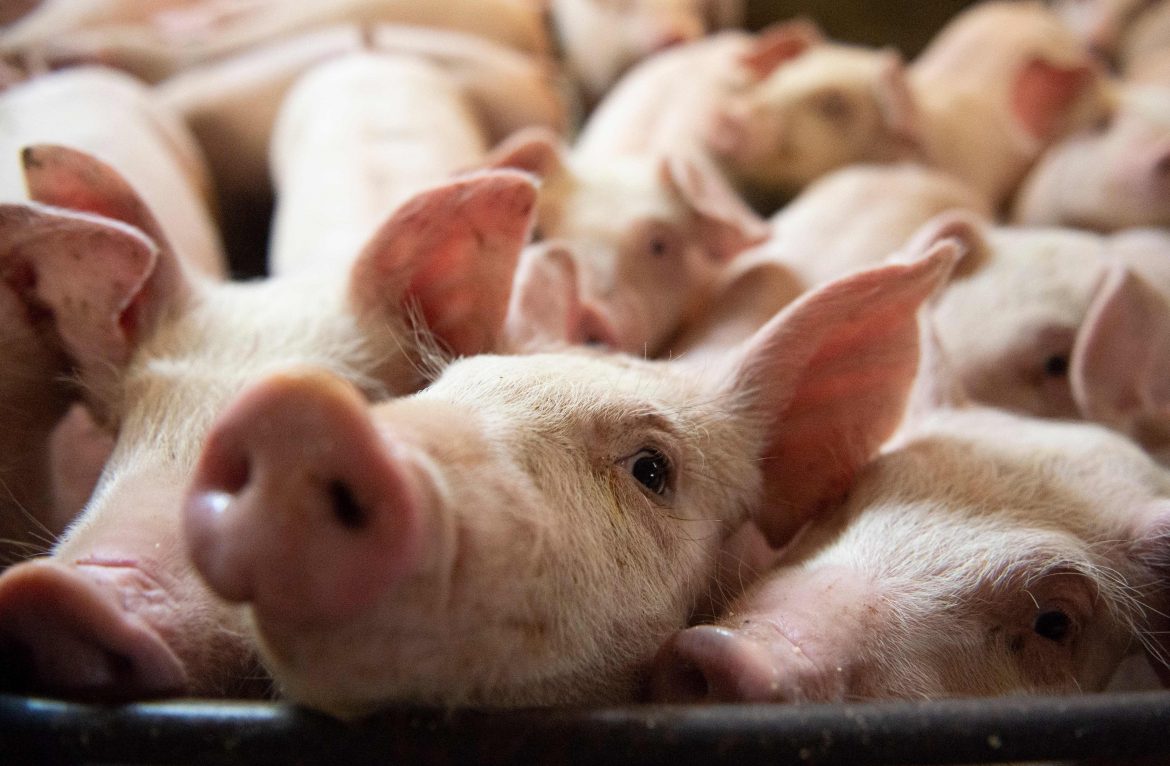
The Canadian pork industry is one of the country’s most prosperous agricultural segments. According to 2018 statistics, the industry’s revenue for the year was more than $4.1 billion, with about 95% of the products destined for the export market. At the beginning of 2019, the report suggested there were over 14 million hogs in 8060 farms countrywide.
Despite this prosperity, the industry has been marred with a lot of controversies. This includes the use of prohibited feed additives and animal cruelty. Many experts believe that the Covid-19 pandemic, which is speculated to have originated from the savage wet markets in Wuhan, is a wake-up call to the Canadian pork industry. It’s expected that sweeping changes are coming to the industry soon though previous attempts have met a lot of resistance.
Putting an end to animal cruelty
Animal cruelty in commercial animal rearing is not a new problem or one unique to Canada. It’s just that in this case, the cruelty is extreme. Among the most criticized practices is the widespread use of gestation crates, which are individual pens for confining pregnant pigs. Just as the “crates” in the name suggest, these are extremely small confinements measuring 2 feet wide and 7 feet long. The gestation crates are so small that one pig barely fits in with no space for turning. Animal welfare experts point out that the crates put the animals in unimaginable physical and mental suffering.
In 2014, the Canadian Government introduced a 10-year plan to end the use of gestation crates across the pork industry. Some of the farms have already made the switch to more humane rearing practices. Despite this, a large part of the industry is still dragging its feet to implement the changes. Even worse, as the deadline to make the switch approaches in 2024, some industry lobby groups have already started lobbying for a 5-year extension. This means that the deadline will be pushed from 2024 to 2029, leaving more than a million pigs exposed to unimaginable cruelty every year. As there is still some time before the deadline lapses, only time will tell the way forward.
Canadian pork imports suspension in China
Another issue that is becoming a thorn in the flesh of the Canadian pork industry is ractopamine, an animal feed additive meant to stimulate muscle growth. This substance is banned in most of the world, including in China and the European Union, but is legal in North America – Canada and the U.S. the confusion brought about by this double standard is tainting the countries pork industry.
Not so long ago, the Chinese Government issued a ban on importing pork products from two Canadian companies, the latest one being Frigo Royal. The ban’s motivation is the existence of trace amounts of ractopamine in some of the pork from the companies found in the Chinese market where the feed additive is banned. China is Canada’s biggest pork market, and with issues like this, the industry could be brought to its knees. Canada already has the Canadian Ractopamine-Free Pork Certification Program to ensure that all mee for export is free of the additive. Many have blamed the ban on escalating diplomatic tensions between the country and taken it as a sign of the Chinese Government retaliating.